

HGH and Peptides: Uses, Benefits, Risks & Scientific Research

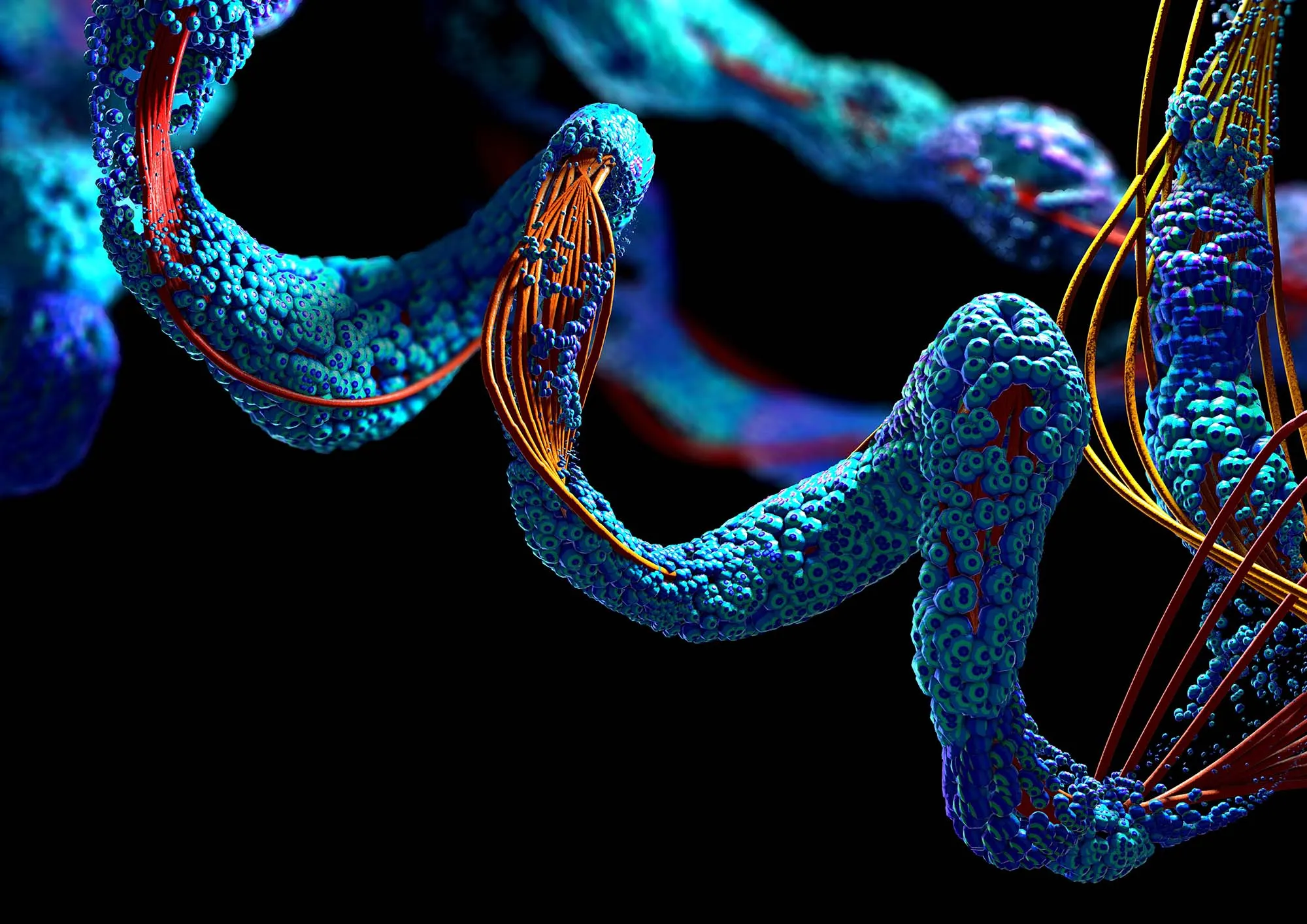
Understanding Growth Hormone and Peptide Science
Human growth hormone (HGH) and peptides are important subjects in modern endocrinology and pharmaceutical research. They participate in biological signaling, growth regulation, metabolism and other physiological processes.
This educational guide examines how HGH works, what peptides are, their legitimate medical applications, important research findings and potential health risks.
What Are HGH and Peptides?
Human growth hormone, also called somatotropin, is a peptide hormone naturally produced by the pituitary gland, a small gland located at the base of the brain.
HGH plays an important role in growth during childhood and helps regulate metabolism and body composition throughout life.
Peptides are molecules made from chains of amino acids. They perform many different biological functions, including cell communication and hormonal regulation.
HGH is itself a peptide hormone. However, not every peptide acts like growth hormone, and the biological effects of different peptides can vary considerably.
How Does Human Growth Hormone Work?
Growth hormone is secreted by the anterior pituitary gland in pulses. Its production is regulated by several biological signals.
Some effects of growth hormone occur directly, while others are mediated through insulin-like growth factor 1 (IGF-1), which is produced in several tissues, particularly the liver.
Growth Regulation
Growth hormone and IGF-1 contribute to normal skeletal and tissue growth in children.
Metabolic Function
Growth hormone influences fat metabolism, glucose regulation and other metabolic processes.
Body Composition
Growth hormone affects lean tissue and body fat, although changes in these measures do not necessarily indicate improved performance.
Hormonal Signaling
The growth hormone and IGF-1 pathways interact with broader endocrine regulatory systems.
Understanding Peptides and Their Functions
Peptides are found naturally throughout the human body and are involved in a wide range of physiological processes.
Scientists also study synthetic peptides because some can interact with specific biological receptors.
Hormonal Peptides
Some peptide hormones regulate blood sugar, growth, appetite and other endocrine functions. Insulin is a well-known example of a peptide hormone.
Signaling Peptides
Certain peptides function as chemical messengers, helping cells communicate and respond to biological changes.
Research Peptides
Some synthetic compounds are being investigated for possible biological and therapeutic effects.
However, early laboratory or animal findings do not establish that a substance is effective or safe for human use.
A peptide described as a research compound may not be approved as a medicine. Its purity, safety, clinical effectiveness and long-term effects may remain uncertain.
Legitimate Medical Uses of HGH
Prescription recombinant human growth hormone, such as somatropin, is approved for specific medical conditions depending on the medicine and country.
Childhood GH Deficiency
Prescription growth hormone may be used in children whose growth failure is caused by insufficient natural growth hormone production.
Adult GH Deficiency
Certain adults with confirmed growth hormone deficiency may qualify for medically supervised replacement therapy.
Selected Growth Disorders
Specific somatropin products are approved for selected pediatric growth conditions, including Turner syndrome and other defined indications.
Specialist Treatment
Diagnosis, eligibility, treatment selection and ongoing monitoring require specialist medical assessment.
Approved medical treatment for growth hormone deficiency is different from the nonmedical use of HGH for bodybuilding, anti-aging or appearance enhancement.
HGH vs. Peptides: Key Differences
Although HGH belongs to the peptide hormone family, the term "peptides" covers many different substances.
| Feature | HGH | Peptides |
|---|---|---|
| Definition | A specific peptide hormone | A broad class of amino-acid chains |
| Biological Role | Growth and metabolic regulation | Varies by individual peptide |
| Medical Applications | Approved preparations exist for defined conditions | Some are approved drugs; many are experimental |
| Evidence | Established for approved indications | Evidence varies considerably |
| Safety | Known risks requiring clinical monitoring | Depends on the compound and available research |
HGH, Muscle Growth and Fitness Research
Growth hormone has attracted attention in fitness and bodybuilding because of its effects on metabolism and body composition.
However, an increase in measured lean body mass does not automatically mean that muscle strength, athletic performance or physical function has improved.
Muscle Development: What Actually Matters?
For most healthy individuals, progressive resistance training, adequate nutrition, recovery and consistent physical activity are established foundations of musculoskeletal health.
HGH should not be considered a substitute for training, nutrition or appropriate healthcare.
Muscle Tissue and Hormonal Signaling
Hormonal signals participate in tissue maintenance and protein metabolism.
But these relationships are complex. Changing hormone concentrations does not guarantee improved strength or training outcomes.
Recovery and Injury Claims
Some experimental peptides are promoted online for injury recovery and tissue repair. For many such substances, reliable human clinical evidence is limited or insufficient.
Claims of faster healing, enhanced performance or guaranteed muscle growth should be evaluated critically.
What Does Scientific Research Show?
Medical research must distinguish between biological plausibility, laboratory observations and clinically demonstrated benefits.
Laboratory Research
Scientists investigate molecular mechanisms and interactions with cells and biological receptors.
Preclinical Studies
Animal and other preclinical studies may provide early information about biological activity and potential toxicity.
Human Clinical Trials
Properly designed clinical studies are needed to evaluate safety and effectiveness in people.
Regulatory Evaluation
Regulatory authorities evaluate relevant evidence, manufacturing quality and benefit-risk information before approving medicines.
This distinction is especially important for experimental peptides, whose clinical evidence may be incomplete.
Potential Side Effects and Health Risks
Prescription growth hormone treatment is associated with recognized adverse effects and precautions.
Fluid Retention
Growth hormone treatment can cause swelling, particularly in some adult patients.
Joint and Muscle Discomfort
Joint pain, muscle aches and nerve compression symptoms may occur during treatment.
Glucose Regulation
Growth hormone can reduce insulin sensitivity and may contribute to abnormal glucose regulation.
Other Medical Risks
Serious complications and contraindications depend on the specific medicine, clinical condition and patient characteristics.
Risks of Experimental Peptides
Unapproved research peptides may raise additional concerns involving impurities, immune reactions, limited safety evidence and uncertain long-term consequences.
HGH and experimental peptides should not be self-prescribed for muscle enhancement, anti-aging or recreational performance goals. Seek qualified medical advice about hormonal health concerns.
Pharmaceutical Quality and Safety
Pharmaceutical products require appropriate manufacturing controls, quality assurance, storage procedures and regulatory oversight.
The safety of a peptide-based medicine depends on more than the identity of its active ingredient.
- Identity and purity of the substance
- Manufacturing quality
- Appropriate storage conditions
- Product stability
- Sterility where applicable
- Clinical safety evidence
- Regulatory authorization
Products marketed as "research use only" should not be assumed suitable for human use.
Obtain prescription medicines only through appropriately licensed channels and follow the guidance of a qualified healthcare professional.
Frequently Asked Questions
Is HGH the same as a peptide?
HGH is a peptide hormone, but peptides include many other substances with different biological functions and medical uses.
Is HGH approved for medical use?
Yes. Certain prescription growth hormone preparations are approved for specific medical conditions, including some forms of growth hormone deficiency.
Does HGH improve gym performance?
HGH can affect body composition, but changes in lean body mass do not reliably establish improved strength or athletic performance. Nonmedical use also carries health risks.
Are all research peptides approved?
No. Some peptide-based medicines are approved, but many research peptides lack authorization for human therapeutic use.
Are peptides safe for muscle recovery?
Safety and effectiveness depend on the specific peptide. Evidence for many experimental recovery-related peptides remains insufficient.
Can HGH cause side effects?
Yes. Potential adverse effects include fluid retention, joint pain, and changes in glucose regulation. Prescription treatment requires clinical monitoring.
Final Thoughts
Human growth hormone and peptides are significant areas of modern medical science and endocrine research.
While approved growth hormone medicines have established uses in selected conditions, many experimental peptides lack sufficient evidence to support medical or performance-related claims.
Understanding the distinction between scientific research, approved treatments and unverified claims is essential for informed healthcare decisions.
Titan Pharma Labs shares this educational overview to encourage awareness of pharmaceutical science, hormonal health and responsible evaluation of medical information.